699eee792235758e12e070c1
UN food agency discloses breach affecting 600,000 Gaza households
The United Nations’ World Food Programme disclosed a cyberattack on its Gaza self-registration platform, potentially exposing the personal data of about 600,000 Palestinian households, including names, IDs, phone numbers, and registration locations. The platform is temporarily suspended as security measures are strengthened; beneficiaries are advised to ignore suspicious requests, and aid distribution continues while the investigation proceeds.
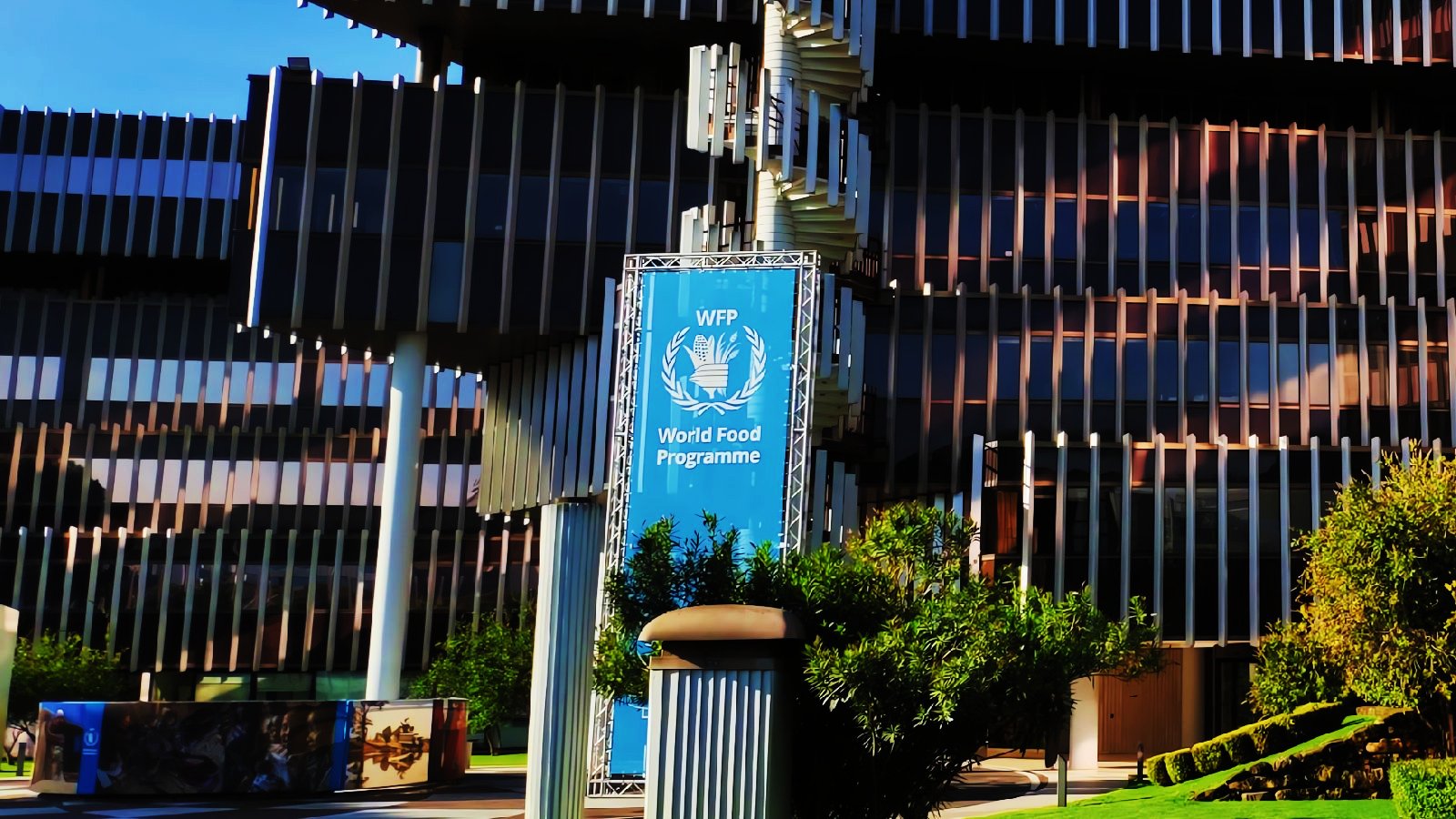
UN World Food Programme Data Breach Impacts 600,000 Gaza Households
OverviewThe United Nations’ World Food Programme (WFP), the world’s largest humanitarian organization, disclosed a breach of its self-registration application (SRA) used for registering beneficiaries in Gaza. During the incident, attackers accessed personal data belonging to individuals enrolled in WFP assistance, including names, identification numbers, phone numbers, and location information recorded during registration. In response, the SRA has been temporarily suspended to implement urgent security enhancements while the program continues to be monitored.
What Happened
- The breach was detected after attackers gained unauthorized access to the WFP self-registration platform.
- The compromised data covered beneficiaries across the Gaza Strip, with information tied to registrations in the region.
- WFP indicated that the incident occurred in mid-May, with public acknowledgment following a weekend update. A subsequent briefing confirmed ongoing investigation and continued monitoring.
- The organization stated clearly that existing beneficiaries do not need to take action to remain part of the program; food, cash, and other forms of assistance would continue as normal while security improvements are underway.
Scope of Data Exposed
- Personal data included names, identification numbers, phone numbers, and geographic details such as neighborhood information provided during registration.
- The breach affected an estimated 600,000 Palestinian households in Gaza. The total number of individuals impacted has not been publicly enumerated by WFP, but the scope encompasses registrations tied to those households.
Current Status and Response
- The Registration Platform (SRA) remains temporarily offline as WFP strengthens security controls and system protections.
- Beneficiaries are advised that there is no need to update, delete, or re-register their information; current participants will continue to receive assistance as the platform is secured.
- Beneficiaries have been cautioned about possible impersonation or fraudulent requests seeking information or money, with authorities urging vigilance against suspicious messages or links.
Organizational Context and Scale
- WFP is headquartered in Rome and employs more than 20,000 staff across more than 120 countries and territories.
- The organization operates the largest humanitarian logistics network worldwide, including thousands of trucks, ships, and aircraft dedicated to delivering emergency assistance.
- In 2024, WFP disbursed approximately US$2.82 billion in financial assistance and delivered around 2.5 million metric tons of food to people in need.
Broader Security Context
- Data breaches involving United Nations entities have occurred in recent years, highlighting ongoing cyber risk in humanitarian work. Notable examples include past incidents affecting UN agencies and related programs, illustrating a pattern of cyber threats targeting intergovernmental relief efforts.
- The incident with WFP adds to a broader history of organizations prioritizing rapid incident response while continuing essential operations for vulnerable populations.
Impact on Aid Delivery in Gaza
- Despite the breach, WFP emphasizes that aid delivery remains a priority and continues under heightened security scrutiny.
- The temporary suspension of the SRA is framed as a measure to protect beneficiaries and improve system resilience, not a disruption to ongoing assistance.
Security and Transparency Notes
- WFP has acknowledged the breach and is actively investigating the incident while implementing additional safeguards.
- The organization has encouraged beneficiaries to remain cautious about communications that claim to be from WFP, and to avoid engaging with suspicious links or requests for sensitive information.
Historical and Related Incidents
- This breach sits within a succession of cyber incidents affecting humanitarian and UN-related operations, underscoring the persistent need for robust data protection and secure digital systems in aid programs.
- Past incidents have involved data exposure across various UN agencies, including environmental programs and development initiatives, reinforcing the importance of vigilance in all phases of humanitarian response.
Related Coverage and Context
- Coverage surrounding the incident highlights the intersection of humanitarian aid with cybersecurity, and the ongoing efforts by aid organizations to balance rapid assistance with rigorous data protection.
- Readers can explore broader discussions about data security in humanitarian contexts and how agencies respond to breaches while maintaining service delivery.
Notes for Readers
- The event underscores the dual challenge faced by aid organizations: maintaining uninterrupted assistance to millions while hardening digital infrastructure against evolving cyber threats.
- As investigations continue, the exact scope of data exposure and the full implications for affected individuals may become clearer through official updates from WFP.